Sep 01, 2026 | By, For Pet's Sake
Responsible Dog Ownership Month: The pet care tasks that are easy to forget
Responsible Dog Ownership Month is a good reminder that loving your dog is about more than belly rubs, treats, and toys.
You probably have the basics covered, such as food, water, and potty time. Of course, the play time, walks, and road trips are unforgettable. But even attentive owners can overlook some of the less glamorous parts of pet care.
We’re talking about the tasks that should be routine but somehow aren’t. The ones you postpone because they feel unnecessary or you simply don’t want to do them. We know it’s difficult, but don’t neglect these tasks for too long because they could lead to a much more expensive problem for you and an uncomfortable experience for your pet.
Keep up with preventive care
Prevention is often the best strategy for pet care, but it’s only effective if you remain diligent. Veterinarians aren’t just there for when your dog is sick. They also play a major role in catching health conditions before they worsen.
Regular wellness exams give your veterinarian a chance to monitor changes in your dog’s weight, teeth, heart, skin, joints, and overall health. Vaccinations, parasite prevention, and recommended screenings are also easier to manage when they’re part of a routine instead of a last-minute scramble.
If you can’t remember when your dog’s last checkup was, your Responsible Dog Ownership Month homework is to find those records and schedule an appointment.
Pay attention to dental health
Contrary to popular belief, your dog’s breath doesn’t have to make you groan. That smell is coming from bacteria and food morsels building up over time. The result is plaque, tartar, and dental problems that your dog may not let you know about until they are in severe pain.
Don’t wait until the breath gets especially unpleasant or chewing appears uncomfortable. At-home brushing, veterinarian-approved dental products, and professional dental care when recommended can all help keep your pet’s smile beautiful and healthy.
Most dogs don’t take kindly to a brush or finger in their mouth, but gentle and persistent attempts will hopefully make this chore easier.
Check their nails regularly
If you hear your dog clicking across the kitchen floor like a tiny tap dancer, it may be time for a nail trim. Overgrown nails can make walking uncomfortable and may affect the way a dog stands or moves.
Some dogs tolerate nail trimming beautifully. Others will be reluctant to give you their paws. You may even see a snarl occasionally.
If nail trims are a struggle, ask your veterinarian or groomer for help rather than simply putting them off indefinitely.
Keep their identification updated
People move. Phone numbers change. Collars get replaced. Microchip registration emails get ignored. All of these things are only helpful if they are updated when they’re found.
Take a few minutes to check your dog’s ID tag and verify the accuracy of what’s written on it. If your dog is microchipped, confirm that your current contact information is registered with the microchip company.
It’s one of those tiny jobs that feels unimportant until the day it becomes extremely important.
Watch your dog’s weight
Extra treats have a way of sneaking into a dog’s day. A bite from breakfast. A snack after the walk. A little something while dinner is being prepared. Another treat because your dog looked particularly adorable or needed some extra coaxing to come inside.
The amount of calories your dog should have will vary based on their breed, age, and activity level. If you’re unsure how much your dog should be eating, consult your veterinarian about specific dietary needs.
Remember, not all animals will self-regulate, so it’s up to the owners to help their dogs maintain a healthy weight. This will help reduce stress on their joins and support overall health.
Make time for mental stimulation
Dogs benefit from regular movement, but they also need opportunities to use their brains. Sensory walks, training games, food puzzles, and learning new tricks can help prevent boredom.
The right amount and type of activity depend on your dog’s age, breed, health, and personality. A young sporting dog may have very different needs from a senior couch enthusiast.
Responsible ownership means paying attention to the dog in front of you, not simply assuming every dog needs the same routine.
Check their ears, skin, and paws
Get in the habit of occasionally checking your dog from nose to tail. Look at the ears. Feel the paws. Notice any redness, irritation, unusual odors, sores, or new lumps and bumps.
Not every lump is an emergency, and not every itchy spot means something serious, but noticing changes early gives you the chance to ask your veterinarian about them.
Regular grooming is a great time to do this informal “dog inspection.”
Plan for emergencies
Do you know where your nearest veterinary emergency hospital is? Do you have a leash or carrier that’s easy to grab? Are your pet’s medications and important records accessible? If you had to leave your home quickly, would you have food, water, and basic supplies ready? Do you have adequate savings for a necessary procedure?
Take some time to answer these questions, and write down the information somewhere safe so that you can easily access it when under pressure.
Remember that responsible ownership is a long-term commitment
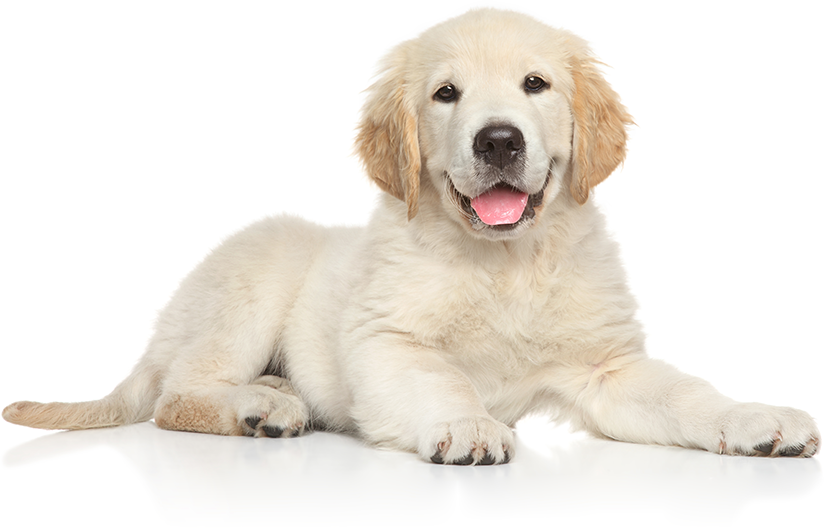
That energetic puppy you brought home will grow into an adult, and the adult will eventually become a senior. These phases of life come with changes to their diet, fitness level, medication, demeanor, and appearance, which means you will need to adjust accordingly.
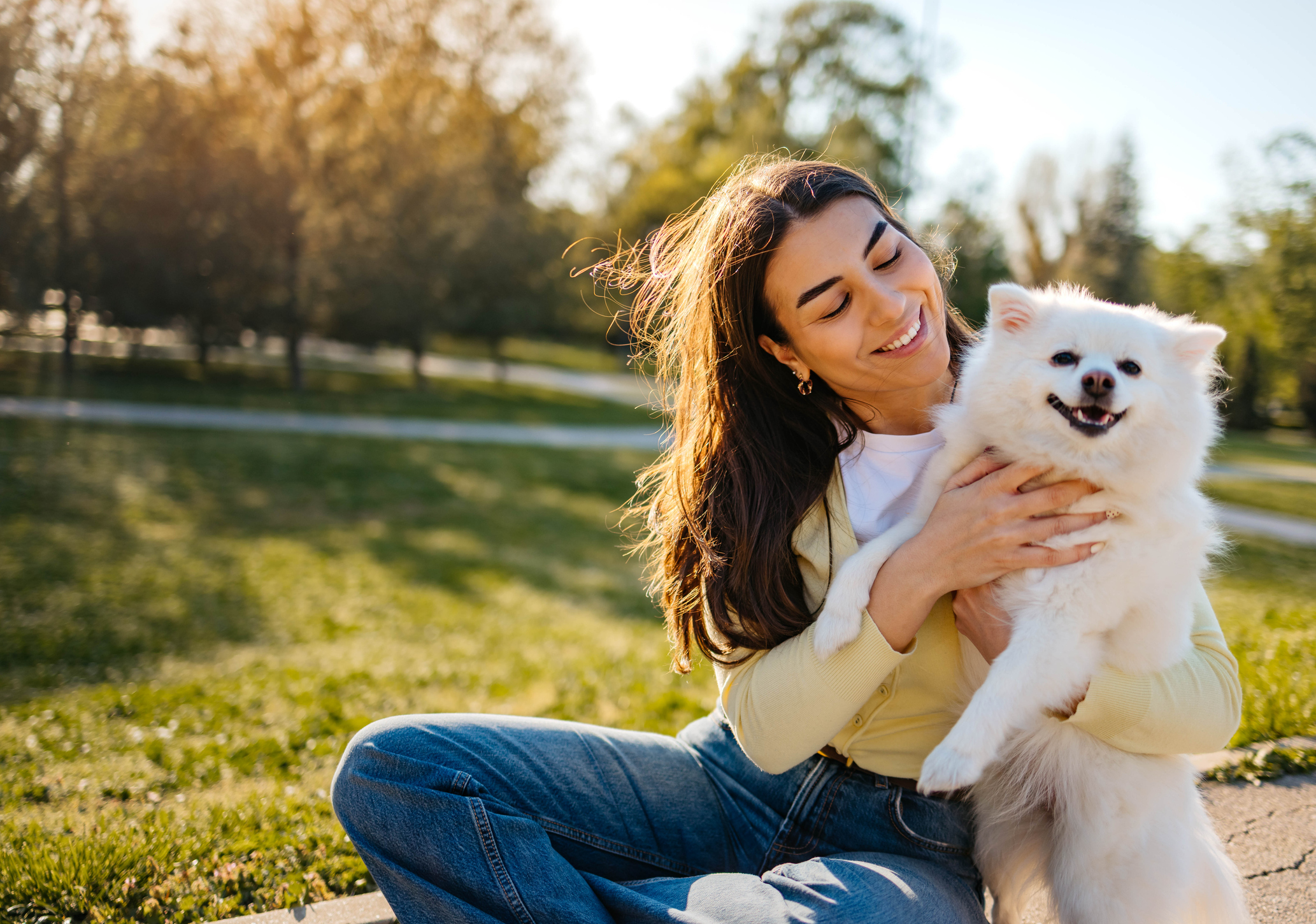
Perfection isn’t required, but being attentive goes a long way toward giving your pet the best life possible. And what better feeling is there than your dog looking up at you with happy eyes and a wagging tail to let you know you did a great job at taking care of them?
From all of us here at For Pet’s Sake, here’s to responsible dog ownership, fewer forgotten to-do lists, and many happy years with the dogs who depend on us! For more practical pet advice, visit drdevonsmith.com throughout the year!