
Jun 15, 2026 | By, For Pet's Sake
Protecting your dog’s paws during summer heat
Summer is a wonderful time to enjoy walks, outdoor adventures, and sunny days with our furry friends. While many pet owners are mindful of keeping their dogs hydrated and protected from the heat, one common summer danger is often overlooked: hot pavement.
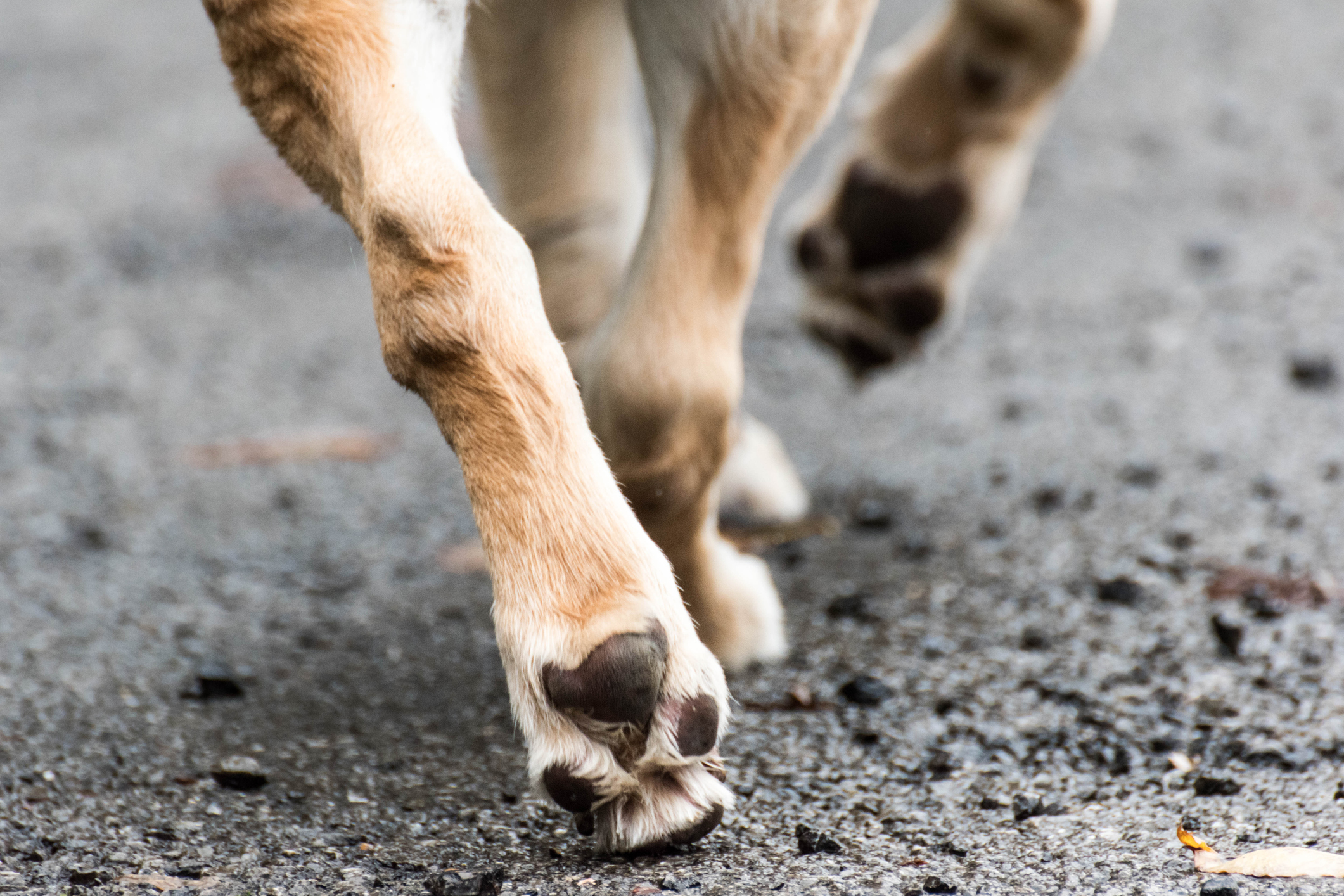
A dog’s paw pads may be tough, but they aren’t immune to burns. On warm, sunny days, asphalt, concrete, and other outdoor surfaces can become hot enough to cause painful burns. Without realizing it, a routine walk around the neighborhood can quickly become uncomfortable and even dangerous for your pet.
Why does pavement get so hot?
Many people are surprised to learn just how hot pavement can become during the summer months. While the air temperature may feel manageable, asphalt and concrete absorb heat from the sun and can reach temperatures far higher than the surrounding air. In fact, when the air temperature is 85 degrees Fahrenheit, asphalt can exceed 130 degrees Fahrenheit in direct sunlight. At those temperatures, a dog’s paw pads can suffer burns in less than a minute. Dark-colored surfaces tend to absorb and retain even more heat, making parking lots, sidewalks, and roads risky during the hottest parts of the day.
The seven-second test
A simple way to check whether a surface is safe for your dog is the “seven-second test.” Before heading out for a walk, place the back of your hand on the pavement and hold it there for seven seconds. If the surface is too hot for you to keep your hand comfortably in place, it is likely too hot for your dog’s paws as well. Taking a few moments to perform this quick test can help prevent painful burns and make summer walks safer for your pet.
Signs of burned paw pads
Dogs do not always show signs of discomfort right away, so it’s important for pet owners to know what to look for. Common signs of burned paw pads include:
- Limping or reluctance to walk
- Excessive licking or chewing of the paws
- Red, darkened, or blistered paw pads
- Missing or peeling pieces of paw pad tissue
- Whining or signs of pain while walking
If you suspect your dog has burned their paws, move them to a cool surface immediately and contact your veterinarian for guidance. Prompt attention can help prevent further injury and support a faster recovery.
Simple ways to protect your dogs paws
Fortunately, preventing paw burns is often as simple as making a few adjustments to your daily routine. During the warmer months, plan walks for the early morning or evening hours when pavement temperatures are lower. Whenever possible, stick to grassy areas, dirt trails, or shaded paths instead of asphalt and concrete. If you are planning a longer outing, consider taking advantage of cooler or overcast days when surfaces are less likely to become dangerously hot.
For dogs that spend a lot of time outdoors, protective booties can provide a barrier against hot surfaces, while paw balms may help keep paw pads moisturized and less prone to cracking. It is also important to bring water on walks and take frequent breaks to check on your dog, helping to prevent both paw injuries and other heat-related issues.
Beyond the pavement
While sidewalks and roads are often the first surfaces pet owners think about, they are not the only ones that can become dangerously hot during the summer. Artificial turf, wooden decks, sand, boat docks, and metal surfaces can all heat up quickly in direct sunlight and pose a risk to your dog’s paws.
Before allowing your dog to walk, play, or rest on any outdoor surface, take a moment to check its temperature with your hand. A surface that feels uncomfortably hot to you can be just as painful for your pet. Staying aware of these often-overlooked hazards can help prevent burns and ensure your dog stays safe and comfortable during all of your warm-weather adventures.
Hot pavement injuries are preventable, but they require pet owners to stay aware of conditions that may not seem dangerous at first glance. Taking a few moments to check the temperature of walking surfaces, adjusting your routine during periods of extreme heat, and watching for signs of discomfort can make a significant difference in your dog’s safety and well-being. After all, our pets rely on us to protect them from hazards they may not recognize. With a little extra caution, you can help ensure every walk is safe, comfortable, and enjoyable.
From all of us at For Pet’s Sake, here’s to a summer full of safe walks, wagging tails, and plenty of outdoor adventures. By taking a few simple precautions, you can help keep your pet comfortable and protected all season long. For more pet tips, check back here at www.drdevonsmith.com.