
Sep 01, 2025 | By, For Pet's Sake
Eat, sleep, play, repeat: 8 tips for creating a daily routine for your pet
The fall season may signify back to school for the kids, but for our fur babies, some of whom may be pleased with summer excursions with the whole family—or better, long, sunny days at the park with their other four-legged friends—autumn can be a readjustment for their daily routines.
Regardless of whether you’re bringing a new pet into your home or modifying an existing schedule, it is essential to establish a set routine to make sure your pet is well-fed, well-exercised, and without potty accidents and destructive behaviors.
Here are 8 tips to create a schedule for your pet suitable for the entire family.
- Delegate pet responsibilities: First, determine the number of people in your household who will be helping take care of your pet. This can include establishing who is on morning and evening walk duty, who empties the litter box, and how you will alternate outdoor bathroom breaks. Jot down everyone’s work and school schedules as well as weekly and weekend activities. Consider how much time your pet will spend alone. For single owners, this may include hiring a pet sitter or walker.
- Designate a bathroom area: Pads, litter boxes, and other bathroom areas, whether indoors or out, should be in a specific spot and at the same times each day. For pets that take their bathroom breaks on walks, take them to the same spot each time while training. Over time, this consistency helps your pet associate that location with “potty time,” which makes accidents less likely and housetraining smoother. Make sure the area is always clean and accessible—cats may refuse a dirty litter box, and dogs may get confused if their regular spot is blocked.
- Have weather-related backup plans: Rainy days can dampen the day and the mood of your pet if indoor time is increased, which means it is up to the owner to make sure their bathroom and exercise needs are fulfilled. For rainy and snowed-in days, have lots of toys, treats, and activities that are just as fun indoors ready for them, and invest in suitable weather gear to protect them against harsh weather conditions.
- Understand your pet’s needs: Young pets require more time, effort, and attention, while seniors, who may move around a bit slower, will have a focus on their health. Regular vet checkups will determine your pet’s health needs. It’s also important to consider the characteristics and traits specific to your pet’s breed when planning the right amount of food, physical activity, and training.
- Stay consistent: Walks, bathroom breaks, and feeding times should all be at the same time every day in order to establish a set routine. This promotes a better sleep schedule for your pet, eliminates anxiety and destructive behavior, and decreases the risk of accidents in your home.
- Stay on top of grooming and medical checks: Preventive care is the best care, and annual health checkups keep your pet healthy by treating conditions and preventing potential problems before they start. Grooming should also be part of their routine—regular brushing reduces shedding, keeps their coat shiny, and helps you notice any unusual bumps or skin issues early. Nail trims, ear cleanings, and dental checkups are just as important for their comfort and long-term health. Keeping a calendar or setting reminders makes it easier to stay on top of both grooming and vet appointments.
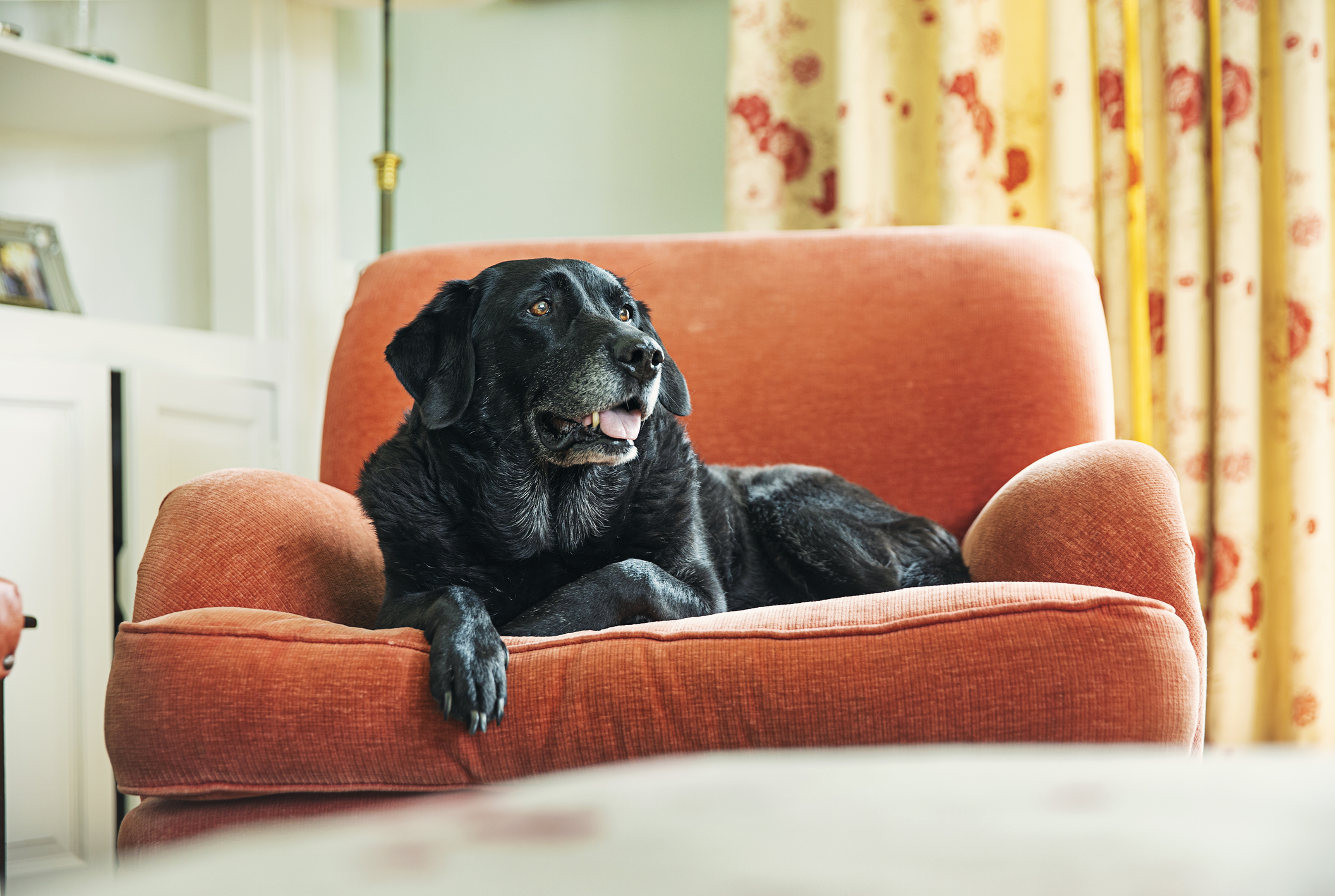
- Designate a sleeping area: Whether your pet will be hogging your pillows or have its own in a cozy, quiet corner, slumber and chill-out time should be in the same spot. Your pet knowing it has a place to retreat away from the others provides comfort and a sense of security.
- Plan for weekends and holidays: Households tend to wake later on weekends, and holidays will bring more humans in and out of the home. Extra people and visitors in the household, vacations away, and changes to the usual weekend routine will affect your pet’s sleeping and bathroom schedule. If you have plans during these times, adjusting their feeding or sleeping times by an hour or two forward or back can help your pet stay on track.
Have a question about pet health? Want to become the best possible pet parent? Find helpful tips, reminders, and insights to give your furry friend the best possible care with For Pet’s Sake!