Oct 01, 2026 | By, For Pet's Sake
10 simple ways to keep pets at a healthy weight this fall
Fall has a way of making everyone want to get a little cozier. Maybe it’s the cooler weather, or the fuzzy blankets, or the pumpkin-flavored everything. Before you settle in too much though, let’s talk about pet obesity and how to get ahead of it!
A few extra pounds may not seem like a big deal, especially when they are hidden under a fluffy coat, but carrying too much weight can put added strain on a pet’s joints, heart, and overall health. Helping pets maintain a healthy weight doesn’t need to involve dramatic diets or marathon exercise sessions. Small, consistent habits can make a big difference, and the sooner you start, the easier it’ll be to get your pet in new year’s shape before the calendar turns to January.
- It’s never “just one treat”
Halloween season means treats are everywhere. While it might seem fair to give your pet something every time you reach into the candy bowl to reward yourself, owners need to be cognizant of how many calories their pets are eating.
If you are doing a lot of training, consider using tiny treats or even pieces of your pet’s regular food instead of adding extra snacks on top of meals. Your pet does not know whether the treat is the size of a pebble or a golf ball. They are simply thrilled that you handed them something.
- Measure food and designate mealtimes
One person’s “cup” may be very different from someone else’s, so using an actual measuring cup helps you know exactly how much your pet is eating each day.
If several people feed the pet, make sure everyone knows the correct amount and when it should be given. Otherwise, one very convincing dog may receive multiple random scoops from several family members.
- Don’t assume the feeding guide automatically applies to your pet
The instructions on a food bag are only a starting point, not a universal plan.
Pets have different calorie needs depending on their age, breed, activity level, metabolism, and health. For example, a highly active young dog may need more food than a senior dog who considers walking from the couch to the food bowl a major athletic event.
If you are unsure how much your pet should be eating, your veterinarian can help recommend a daily amount based on your pet’s individual needs.
- Pay attention after spaying and neutering
If you have chosen to spay or neuter your pet, be aware that the procedure can affect metabolic rate and appetite, putting these animals at higher risk of obesity. After the surgery, consult your veterinarian to receive specific dietary advice for your pet so that they are eating the right type and amount of food as they age.
- Learn what a healthy body shape looks like
A healthy dog or cat should generally have a visible waist when viewed from above, and you should be able to feel the ribs without pressing through a thick layer of fat. This doesn’t mean you should see every rib, but you should be able to find them. Fluffy coats can make this harder, so use your hands as well as your eyes.
Pet owners see their animals every day, which can make gradual weight gain difficult to notice. If you are unsure whether your pet is at a healthy weight, ask your veterinarian, who can help you catch changes before they become more difficult to manage.
- Use the cooler weather to your advantage
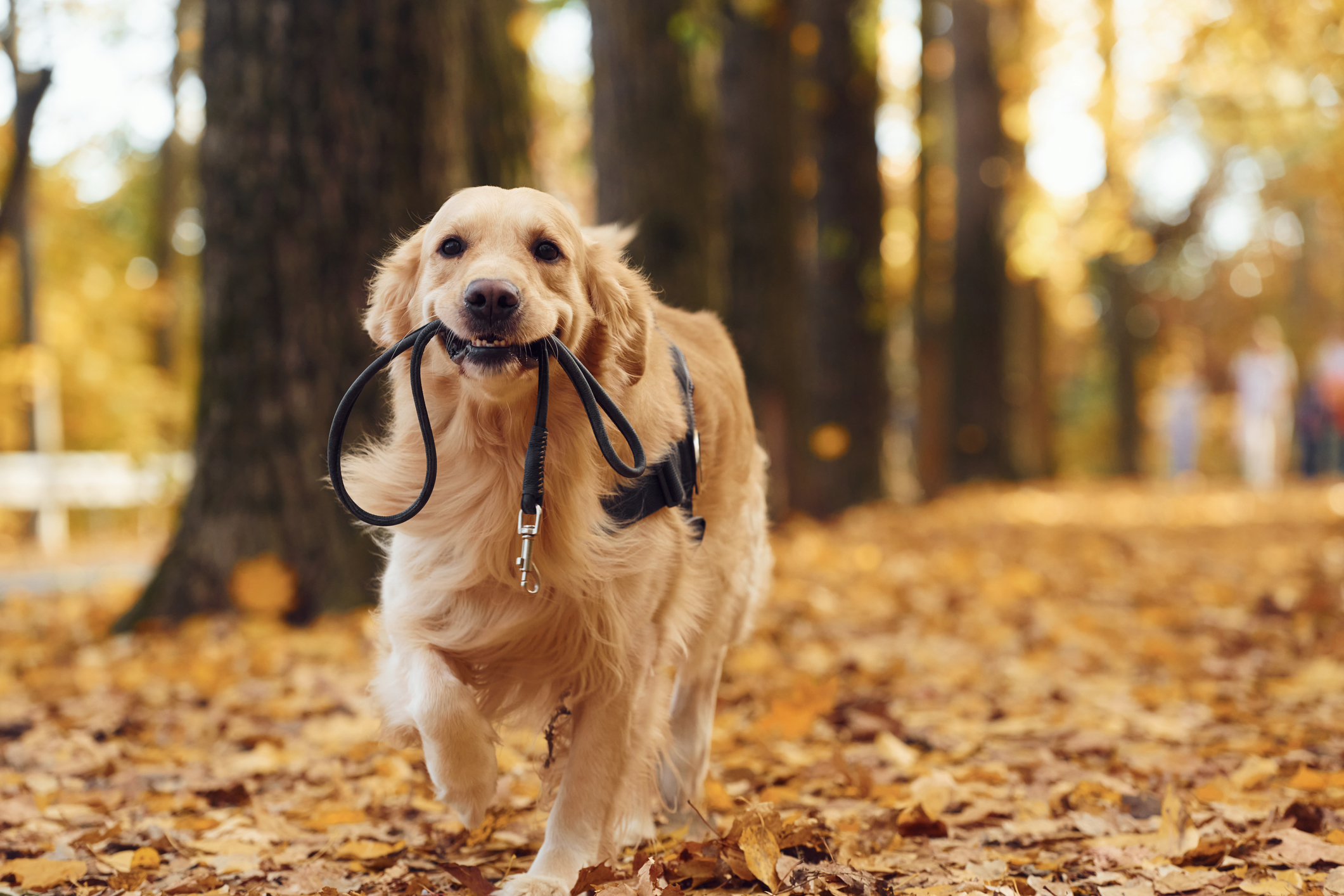
Fall can actually be a great season for exercise. Cooler temperatures often make walks more comfortable, especially for dogs that struggle during the heat of summer.
Try adding a few extra minutes to daily walks, taking a new route, or visiting a pet-friendly trail. Your dog will probably love all the new seasonal smells too!
- Turn Halloween into playtime
Hide a few pieces of kibble around the house and let your dog or cat go trick-or-treating with a mentally stimulating twist. Use food puzzles, snuffle mats, or interactive toys to make pets work a little for their meals. This adds movement and a cognitive challenge without adding extra calories.
- Spend time with your indoor cats
Cats can be especially easy to overlook when it comes to exercise. They may not go for walks around the neighborhood, but they still need opportunities to move. Short play sessions with wand toys or balls can help encourage activity. Climbing structures, window perches, and food puzzles can also make indoor life more active and interesting.
- Give table scraps sparingly, if at all
Fall gatherings often include appetizing potlucks that smell great to your pets. Most of the human foods aren’t even safe for animals, but even if they are, food from the table should be given in moderation because it adds a lot of extra calories to your pet’s normal diet.
Instead of feeding pets from the table, give them a small portion of their normal food or a pet-safe treat so they can still feel included. They might still beg with their sweet eyes or a paw on your lap, but you can try giving them a snuffle mat or lick tray to keep them occupied until the people are done eating.
- Focus on progress, not perfection
If your pet needs to lose weight, avoid making drastic changes without veterinary guidance. Healthy weight loss should be gradual because cutting food too aggressively can create nutritional problems. Small adjustments to portion sizes, treats, and daily activity are often much more sustainable than dramatic changes anyway, and you want to help your pet adjust to a routine they can maintain in the future.
Mosey before you get cozy
There’s nothing wrong with enjoying the slower pace of fall. Your pet can still curl up under a blanket, nap through a football game, and supervise pumpkin carving from a safe distance.
The key is balance! Keep meals measured, treats reasonable, and movement part of the daily schedule. A healthy weight can help pets stay more comfortable, active, and equipped to enjoy all the seasons ahead.
From all of us here at For Pet’s Sake, here’s to cozy fall days, healthy habits, and keeping those extra seasonal pounds off our four-legged friends!
For more practical advice on nutrition, exercise, and everyday pet care, visit drdevonsmith.com throughout the year.